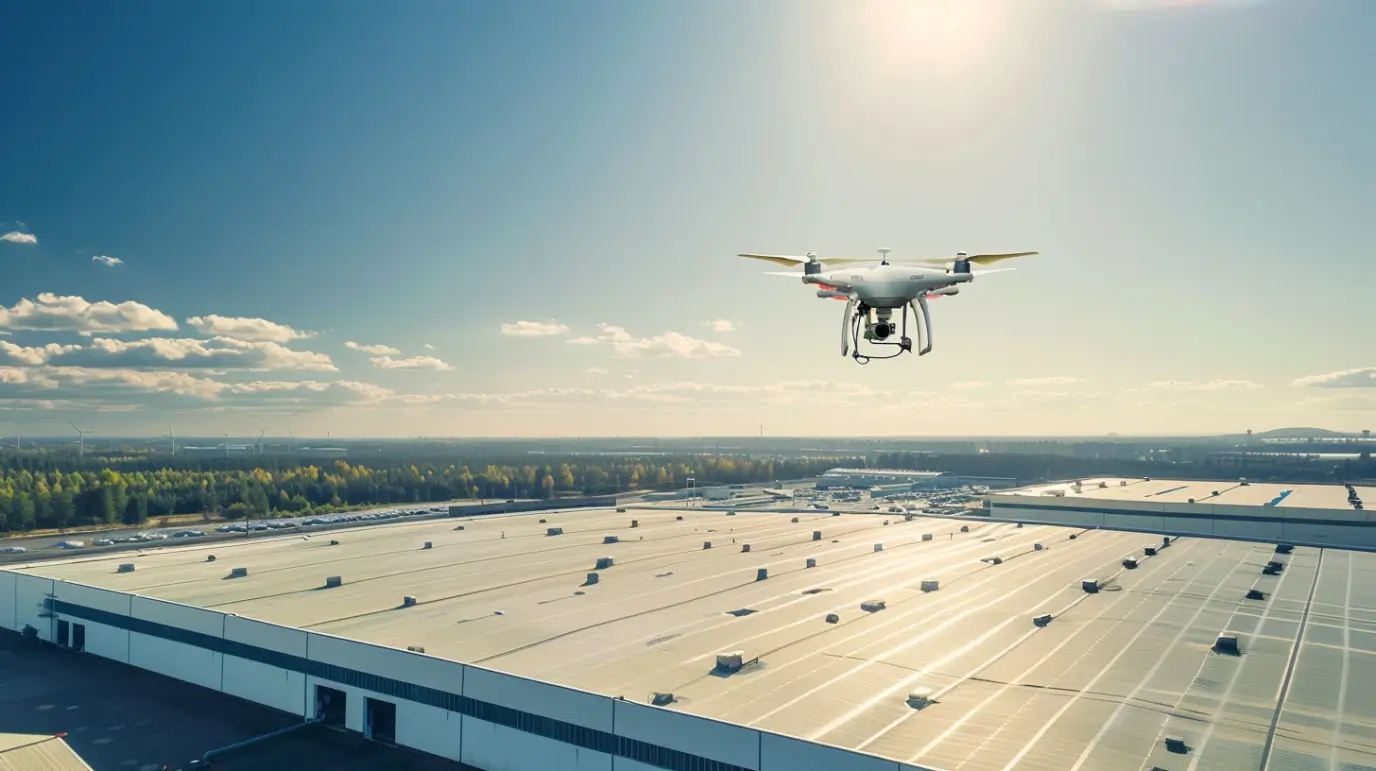
Groundbreaking advancements in technology have redefined the roofing industry, particularly through the emergence of unmanned aerial vehicles. Burrage Roofing, is at the forefront of this innovative shift, utilizing these advanced tools to transform the roof inspection process. Our team in East Moline, IL is committed to detailed data collection without the safety risks associated with traditional inspection methods. By leveraging aerial imagery and thermal imaging, Burrage Roofing professionals can assess the condition of commercial properties efficiently. This shift not only reduces the time required for inspections but also enhances the accuracy of findings, fostering informed decisions regarding roof maintenance and potential repairs for our valued clients.
The Rise of Drone Technology in Commercial Roof Inspections
Advancements in drone technology have changed the way people do commercial roof inspections. Before, traditional methods depended on people to check roofs by hand. This led to limited visibility and made it hard to see the entire roof’s condition. Now, unmanned aerial vehicles with high-resolution cameras and thermal imaging let you get detailed images and important data fast, often in a fraction of the time. With this new way, roofing experts can spot potential problems earlier. This helps people take care of their roofs better and avoid costly repairs, making sure the roof lasts longer.
Contact Us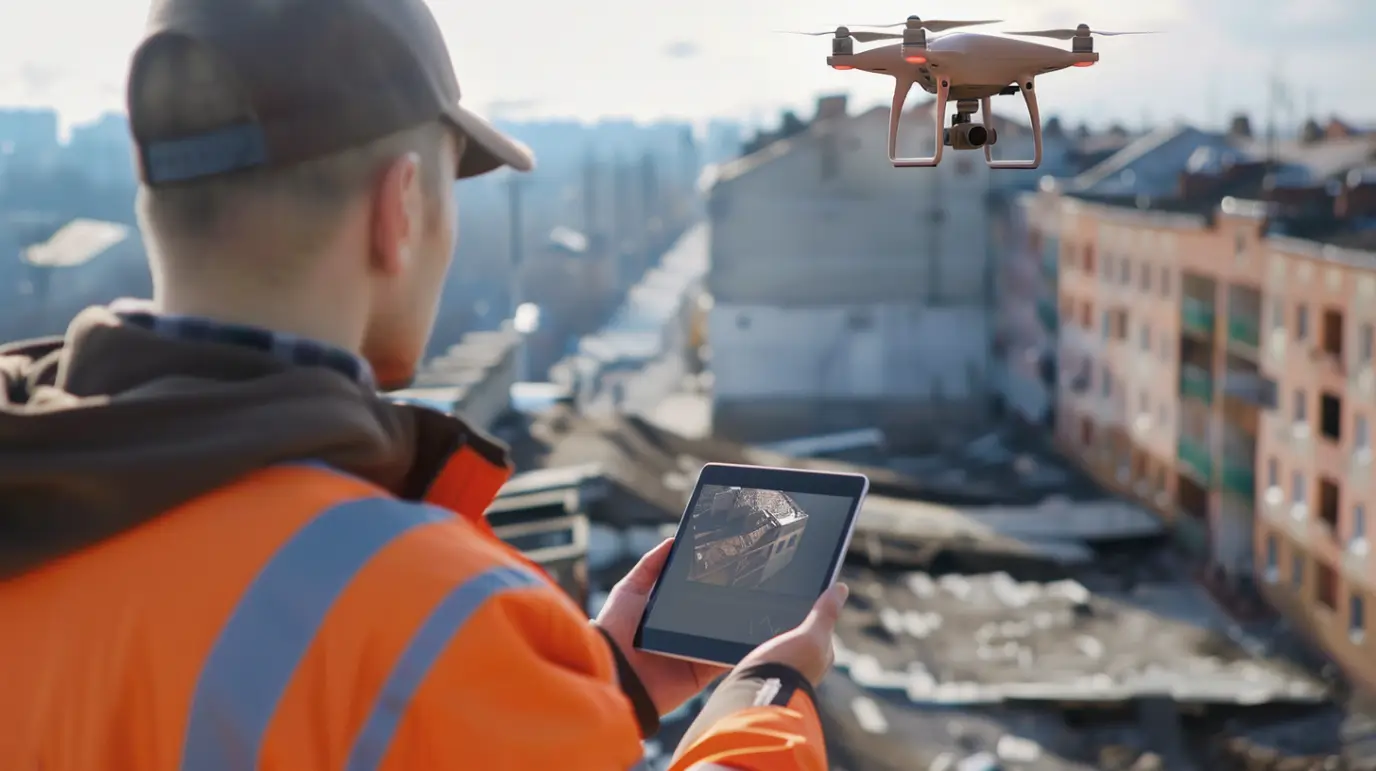
Evolution from Traditional to Drone-Assisted Inspections
The shift from traditional roof inspections to using drone technology has brought a big change to the roofing industry. In the past, traditional methods used people and ladders to check commercial roofs. The inspection process with human eyes often misses fine details and signs of wear. Drone technology now helps by giving high-resolution images and precise measurements, avoiding high costs associated with older methods. This lets inspectors spot potential damage and see the roof’s condition better. With drones, all of us can save time. These new tools make the process more accurate and fast for everyone who works with commercial roofs.
Key Benefits for Commercial Properties
Using drone technology in the inspection process for commercial properties helps a lot. A drone gives detailed imagery of the entire roof. This means you can spot minor issues early, and it helps to stop them from turning into costly repairs. The drone also makes the job faster. It means property owners get timely reports that are more accurate.
The level of detail from drones lets insurance adjusters and roofing experts make informed decisions to know what maintenance or repairs are needed. This keeps commercial properties in good shape.
How Drones Transform the Roof Inspection Process
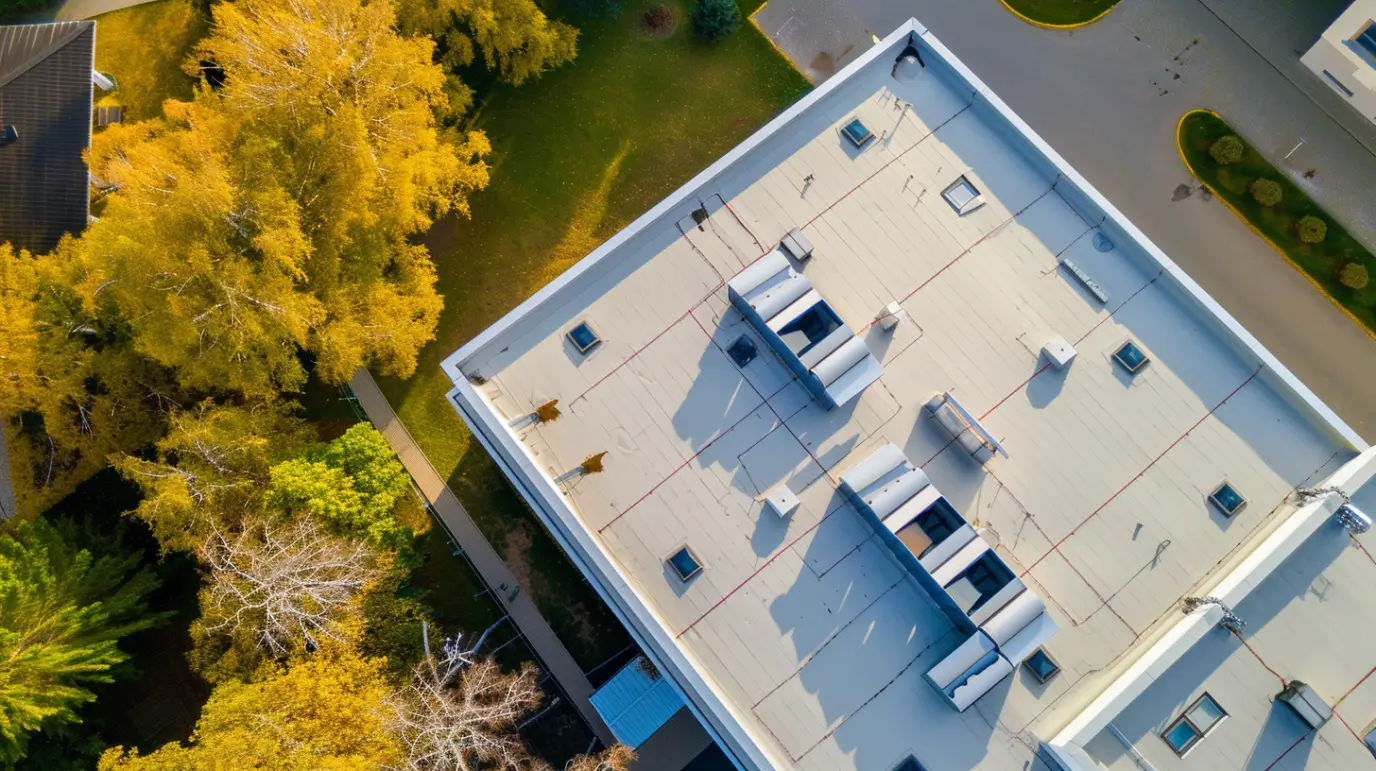
Traditional inspection methods often fall short when examining the complexities of commercial roofs. Drones revolutionize this inspection process by offering comprehensive aerial views and detailed imagery, allowing roofing experts to swiftly and safely assess the condition of your roof. Equipped with advanced sensors, these unmanned aerial vehicles capture precise measurements, identify areas of concern, and provide in-depth data collection that human eyes might miss. As a result, property owners can make informed decisions regarding maintenance and potential repairs while minimizing safety risks and costs.
Step-by-Step Guide to a Drone-Enabled Commercial Roof Inspection
A comprehensive drone-enabled commercial roof inspection initiates with meticulous planning, including defining the flight path and necessary permissions from relevant authorities. Following this, drone pilots utilize commercial drones equipped with advanced thermal imaging and cameras to collect aerial data and high-resolution imagery.
As the inspection unfolds, detailed analyses begin, focusing on the condition of the roof and identifying areas of concern. Finally, the raw imagery and collected data are transformed into actionable insights, enabling property owners to make informed decisions regarding maintenance and repairs.
What Roofing Experts Look for During a Drone Survey
During a drone survey, roofing experts look closely at signs of wear, potential damage, and the condition of the roof. They use high-quality cameras to get detailed imagery. This helps them see areas of concern that might be hard to spot with the naked eye. The experts also check complex parts of a roof like steep pitches and drainage systems so they do not miss anything. Careful data collection helps them plan timely maintenance. It also gives insurance adjusters the right information about what repairs are needed. This can make costly future problems less likely.
Types of Drone Technologies Used in Commercial Roof Inspections
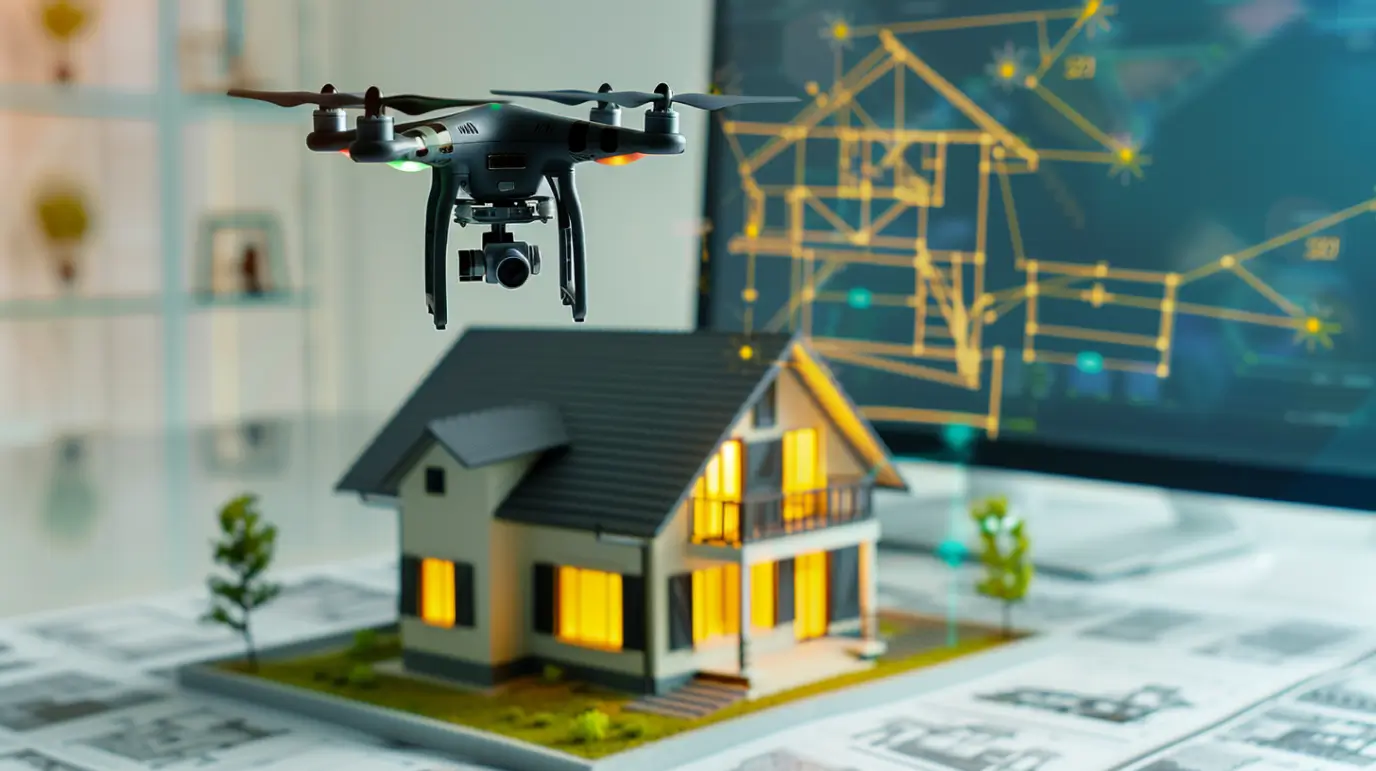
Many drone technologies are now key for commercial roof inspections. High-resolution cameras help drone operators get detailed imagery of the roof. Thermal imaging sensors are good for spotting potential damage that the naked eye might miss. These innovations help people check the whole roof quickly and well. Using AI and data analytics can also help. They can give roofing professionals clear reports with precise measurements. This information can help guide roof maintenance and support decisions for insurance claims.
High-Resolution Cameras and Thermal Imaging Sensors
Advanced drone technology uses top cameras and thermal imaging to help inspect roofs with more care. These high-resolution cameras take detailed images of the entire roof. Inspectors can then spot signs of wear or potential damage that you may not see with the naked eye. At the same time, thermal imaging finds temperature changes. This can show problems like issues with insulation or moisture getting in. This data helps insurance adjusters and roofing pros make informed decisions about any repairs or care that might be needed.
AI and Data Analytics Integration for Enhanced Reporting
Integrating AI with drone technology significantly enhances the reporting capabilities of commercial roof inspections. Advanced algorithms analyze aerial data, providing precise measurements and identifying signs of wear that might escape the naked eye. Detailed reports generated through this integration offer roofing experts insightful visualizations and actionable insights, streamlining the decision-making process. This synergy between AI and data analytics ensures a comprehensive understanding of the roof’s condition, facilitating proactive maintenance and interventions, ultimately leading to cost savings and reduced risk of costly repairs.
Key Data and Imagery Collected by Drones
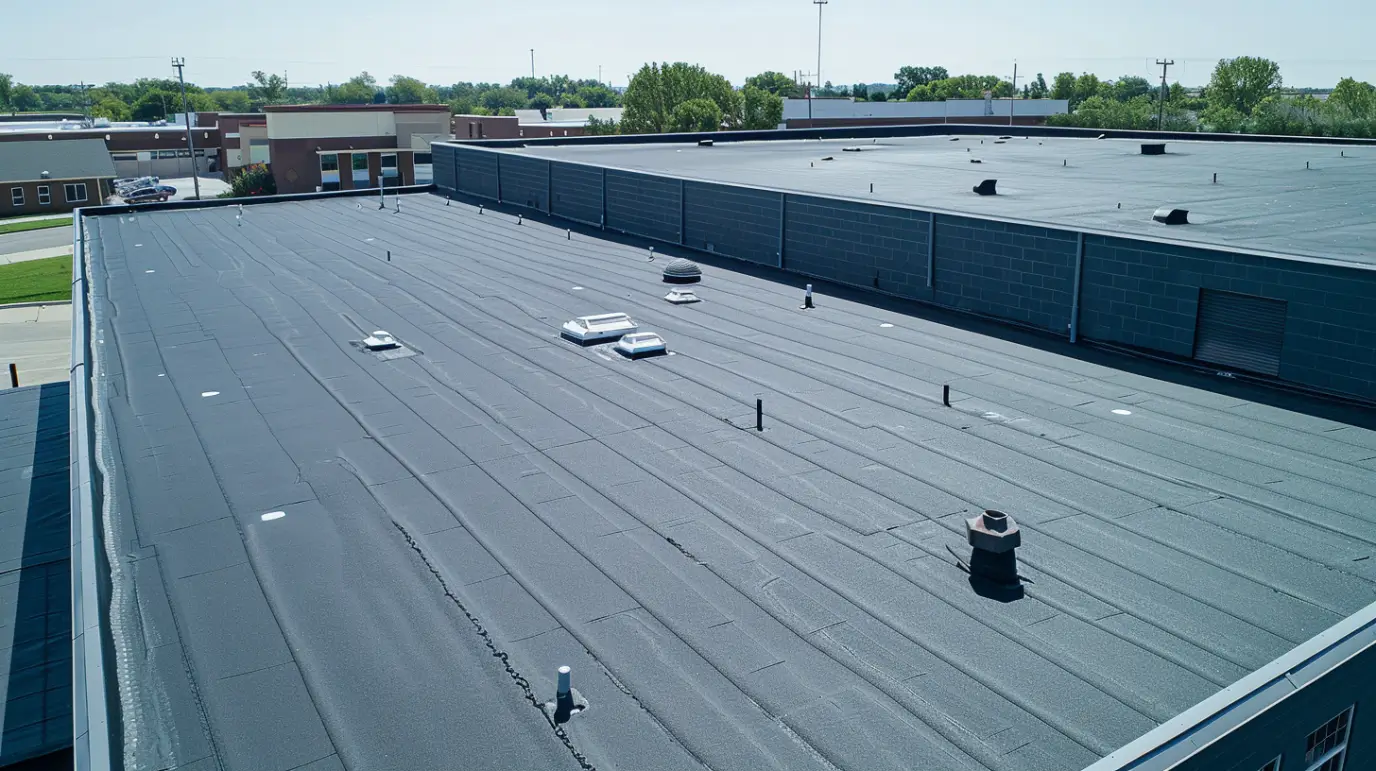
Unmanned aerial vehicles provide a plethora of key data and imagery essential for assessing the condition of commercial roofs. Detailed imagery captures signs of wear and potential damage that may go unnoticed by the naked eye, delivering high-resolution aerial images to inform roofing experts. Thermal imaging identifies areas of concern, revealing moisture issues and insulation deficiencies. This precision in data collection enables proactive maintenance, ultimately leading to informed decisions that mitigate costly repairs and enhance the longevity of roofing systems.
Precision Measurements and Damage Detection
Using drone technology gives you more accurate measurements than traditional inspection methods. Drones with high-resolution cameras take detailed images of commercial roofs. These pictures show the level of detail needed to spot signs of wear and potential damage. It helps insurance companies adjusters and roofing experts look at the areas of concern on the roof. They can check everything well while lowering safety risks. Because the drones can find minor issues early, property owners can fix small problems before they turn into costly repairs. This makes it easier to take care of commercial roofs over time.
Turning Aerial Data into Actionable Roofing Insights
Aerial data collected through drone inspections offers unparalleled insights into the condition of commercial roofs. Utilizing advanced imaging techniques, such as thermal imaging, these UAVs provide precise measurements and detailed imagery that help identify potential damage and signs of wear. This information enables roofing experts and property managers to make informed decisions on maintenance needs, ensuring timely repairs and avoiding costly problems in the long run. Transforming raw data into actionable insights streamlines the roof inspection process significantly.
Addressing Safety and Regulatory Considerations
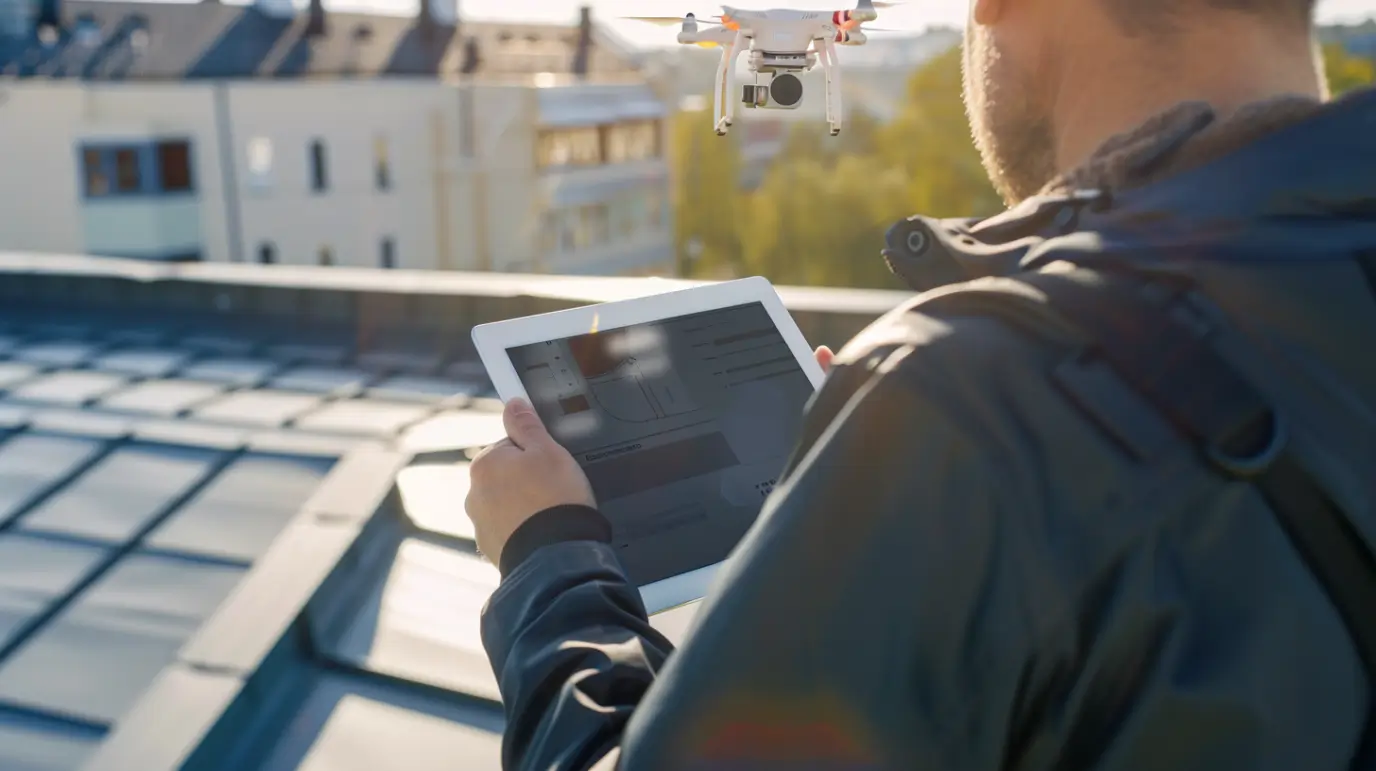
Ensuring safety during drone inspections involves adhering to stringent airspace regulations and the operational guidelines set forth for unmanned aerial vehicles. The use of commercial drones reduces safety risks associated with traditional methods, especially when navigating steep pitches and complex commercial roofs. Moreover, compliance with FAA rules not only minimizes potential liabilities but also facilitates smooth operations. By partnering with certified drone pilots familiar with local regulations, commercial roofing companies can confidently conduct roof inspections while maintaining safety protocols throughout the entire process.
Compliance with FAA and Local Regulations for Commercial Properties
To follow the rules for commercial roof inspections, drone operators need to stick to FAA guidelines and local laws for unmanned aerial vehicles and aerial vehicles. Every drone pilot must get the right certifications. This helps you follow airspace regulations and keep things safe. You need to make a flight plan. Think about weather conditions and know what the drone can or cannot do. Safety protocols are important. They help drone pilots cut down risks and collect clear data. Following these steps helps check your roof’s condition in a safe way and make inspections better for all.
Safety Advantages Over Manual Inspection Methods
Using drone technology makes roof inspections much safer than using traditional methods. When people inspect roofs by hand in high winds, there are safety risks like falling from steep pitches. With unmanned aerial vehicles, these dangers go down a lot. Drones can fly to spots that are hard for people to get to. They take aerial pictures of the roof without putting anyone at risk. This helps protect workers and keeps safety protocols strong. Drones let you check the roof’s condition fully while lowering safety risks from human involvement.
Get in Touch
Drone technology has revolutionized the inspection process for commercial roofs, providing unprecedented accuracy and efficiency. With the ability to capture detailed imagery and perform precise drone roof inspection measurements in a fraction of the time required by traditional methods, the benefits are clear. By leveraging aerial data, property owners make informed decisions that significantly reduce the risk of costly repairs and ensure the long-term maintenance of their roofs. Embracing this innovation not only enhances safety but also streamlines the entire inspection process for commercial properties. Our commitment to excellence is further demonstrated through our achievements as an IKO Craftsman Premier Installer and our status as a BBB Accredited Business. We proudly partner with industry leaders such as SRS Supplier, ABC Supply, Richards Supply, Final Siding, and James Hardie to deliver the highest quality services and products to our clients.
Frequently Asked Questions
Is drone-captured data secure and how is it used for roof maintenance planning?
Drone-captured data is secured through encryption and access controls, ensuring confidentiality. This data aids in proactive roof maintenance planning by identifying potential issues early, optimizing repair schedules, and allocating resources efficiently for long-term asset management.
What drone is used for roof inspections?
Various drones are utilized for roof inspections, including quadcopters and fixed-wing models, all of which can be considered the right drone for specific needs. Popular choices often come equipped with high-resolution cameras and thermal imaging capabilities, enabling inspectors to capture detailed aerial footage and detect hidden issues efficiently.
Do I need a license to fly a drone for roof inspections?
Yes, a license is typically required to fly drones for commercial roof inspections. Operators must obtain a Part 107 certificate from the FAA, ensuring compliance with safety regulations and operational guidelines. This certification helps maintain safe and efficient drone usage in professional settings.
Read our blog: How UV Exposure Ages Your Roof Over Time