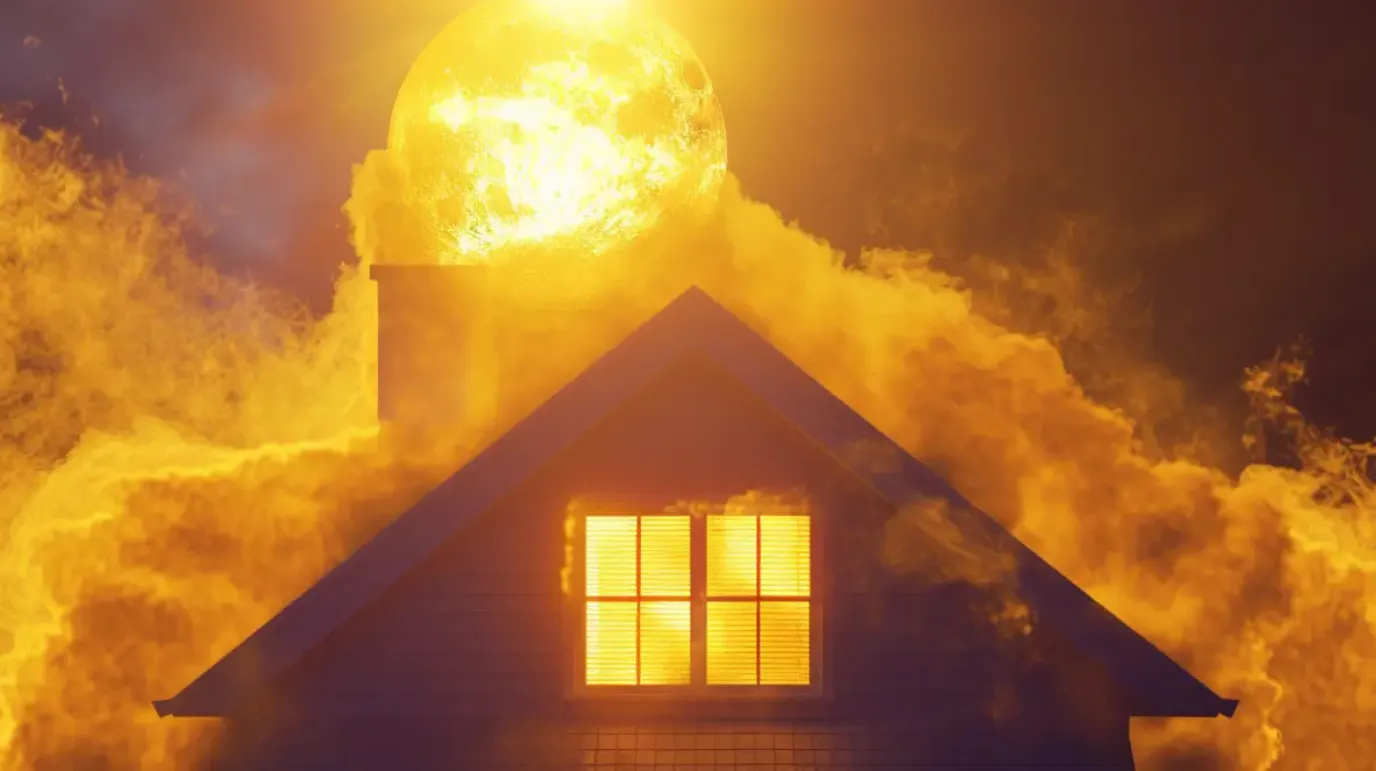
Understanding how sunlight affects roofing over many years is important for any homeowner. At Burrage Roofing, we recognize that UV exposure from the sun has a big effect on roofing. It can break down materials like asphalt shingles and metal roofing, which may lead to costly repairs and premature aging in Moline, IL. When you see signs of wear early, you can take steps that help make your roof’s lifespan longer. Our team at Burrage Roofing is dedicated to providing regular inspections and addressing problems right away, helping to protect your investment. These steps also keep the integrity of your roof strong for years, ensuring that you have a reliable shelter for your home.
Understanding UV Exposure and Its Impact on Roofing
Prolonged exposure to UV radiation significantly impacts the integrity of your roof, leading to a multitude of problems over time. Roofing materials, from asphalt shingles to metal options, are not immune to degradation; the effects manifest through temperature fluctuations and thermal cycling, resulting in loss of flexibility and protective granule erosion. Regular inspections are crucial to identify potential issues early, preventing significant damage and extending your roof’s lifespan. Proper maintenance strategies can mitigate harsh UV rays’ damaging effects, enhancing your roof’s longevity.
Contact Us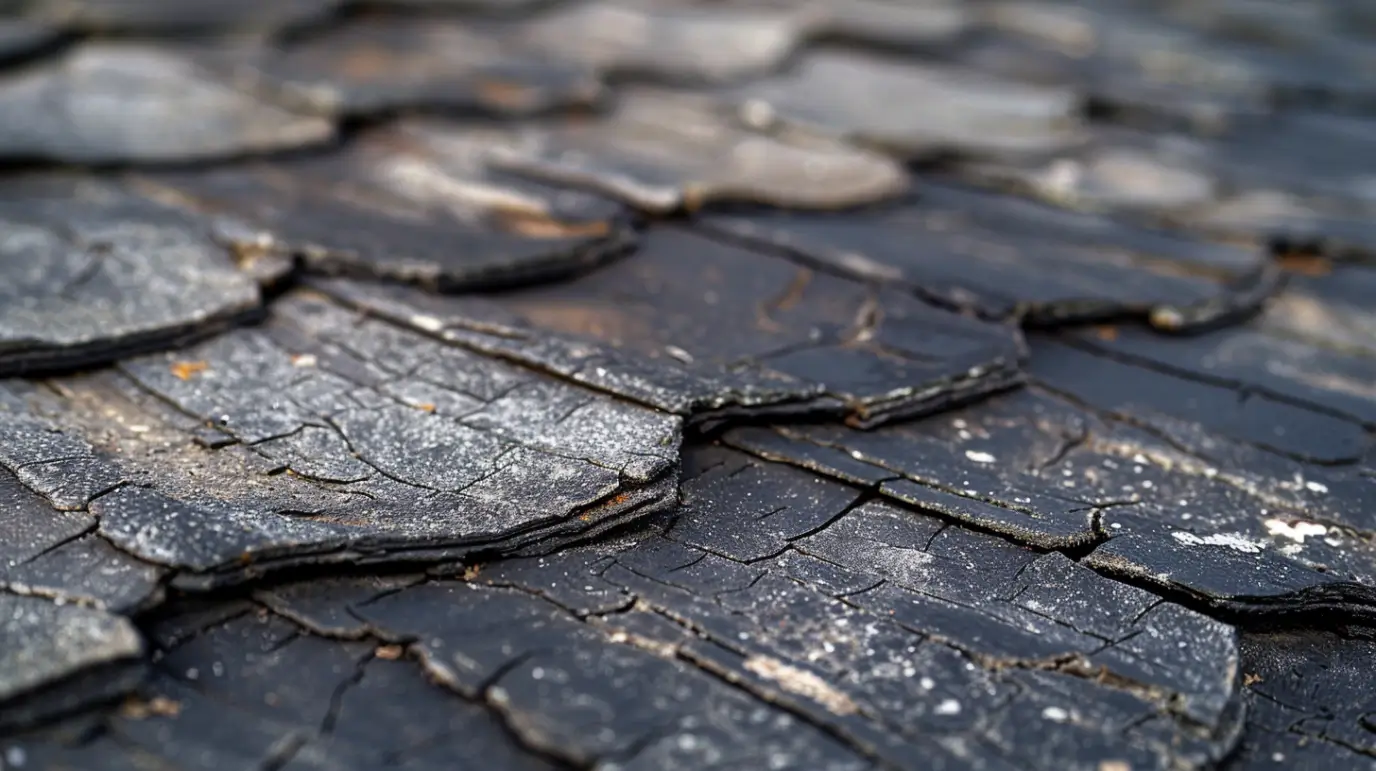
How Ultraviolet Rays Affect Roofing Materials
Ultraviolet rays significantly impact roofing materials by initiating a breakdown at the molecular level, leading to structural issues. Asphalt shingles, for example, experience granule loss and become brittle under persistent sun exposure. This degradation accelerates temperature fluctuations, amplifying the effects of thermal expansion and contraction. Over time, roofs may exhibit signs of wear such as cracking and warping, which compromise their integrity. Proactive measures, including regular maintenance and protective coatings, can mitigate these detrimental effects, preserving the roof’s lifespan and functionality.
The Science Behind Roof Aging Due to Sunlight
Over time, ultraviolet (UV) radiation initiates a complex series of reactions within roofing materials, leading to premature aging. The continuous exposure to sunlight drives thermal expansion and contraction, exacerbating temperature fluctuations that contribute to structural fatigue. This cycle can result in granule loss, affecting the integrity of your roof and its protective barriers. Consequently, the roofing surface may suffer from increased brittleness and diminished flexibility, ultimately shortening the roof’s lifespan and inviting water damage and other costly repairs.
Visible Signs of UV Damage
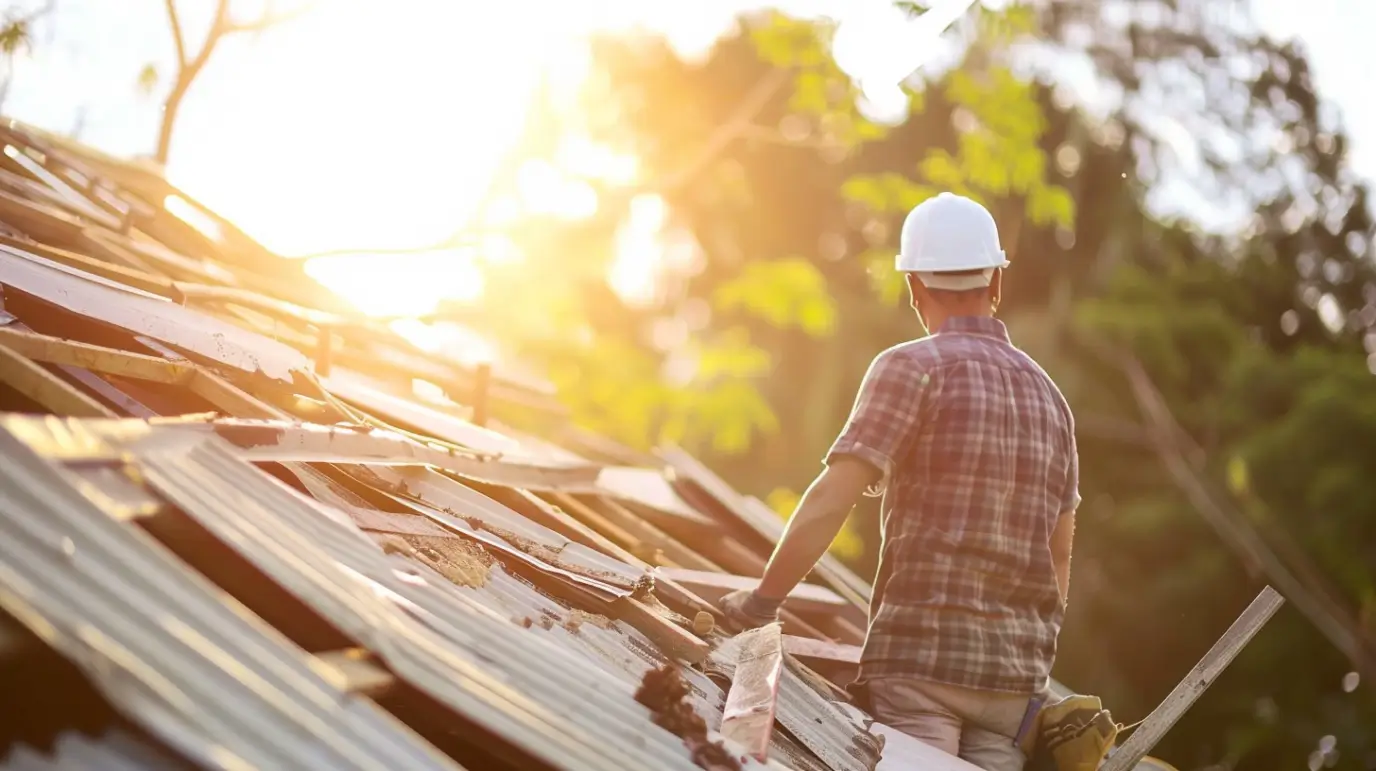
Fading and discoloration often mark the initial signs of UV damage on your roof, indicating a reduction in its protective granules. Cracking and warping frequently accompany such changes, compromising the integrity of your roofing materials. Regular inspections allow homeowners to identify these signs early, preventing significant damage down the road. Additionally, increased brittleness in asphalt shingles or visible granule loss can lead to water damage, making routine maintenance and proactive measures essential for prolonging your roof’s lifespan.
Fading, Cracking, and Warping: Key Indicators
Diminished color and texture on your roof’s surface are telltale signs of fading, often due to prolonged UV exposure. Brittle shingles can also arise, indicating a loss of flexibility and integrity, making them more susceptible to cracking. Warping may occur as materials like asphalt or metal undergo thermal cycling, exacerbating structural issues. These visual indicators are critical for timely commercial roof inspections, allowing homeowners to address minor issues before they escalate into costly repairs, thereby ensuring the roof’s longevity.
How to Spot Progressive Deterioration Over Time
Detecting progressive deterioration in roofing materials requires vigilance. Regular inspections may reveal subtle signs of damage, such as granule loss from asphalt shingles or minor cracks in other roofing types. Temperature fluctuations can exacerbate these issues, leading to brittleness or water damage. Homeowners should monitor their roof’s surface for any discoloration or warping, which indicates ongoing UV exposure. Employing a proactive approach with routine commercial roof inspections ensures early identification of potential issues and preserves the integrity of your roof over time.
Materials Matter: UV Resistance Across Roofing Types
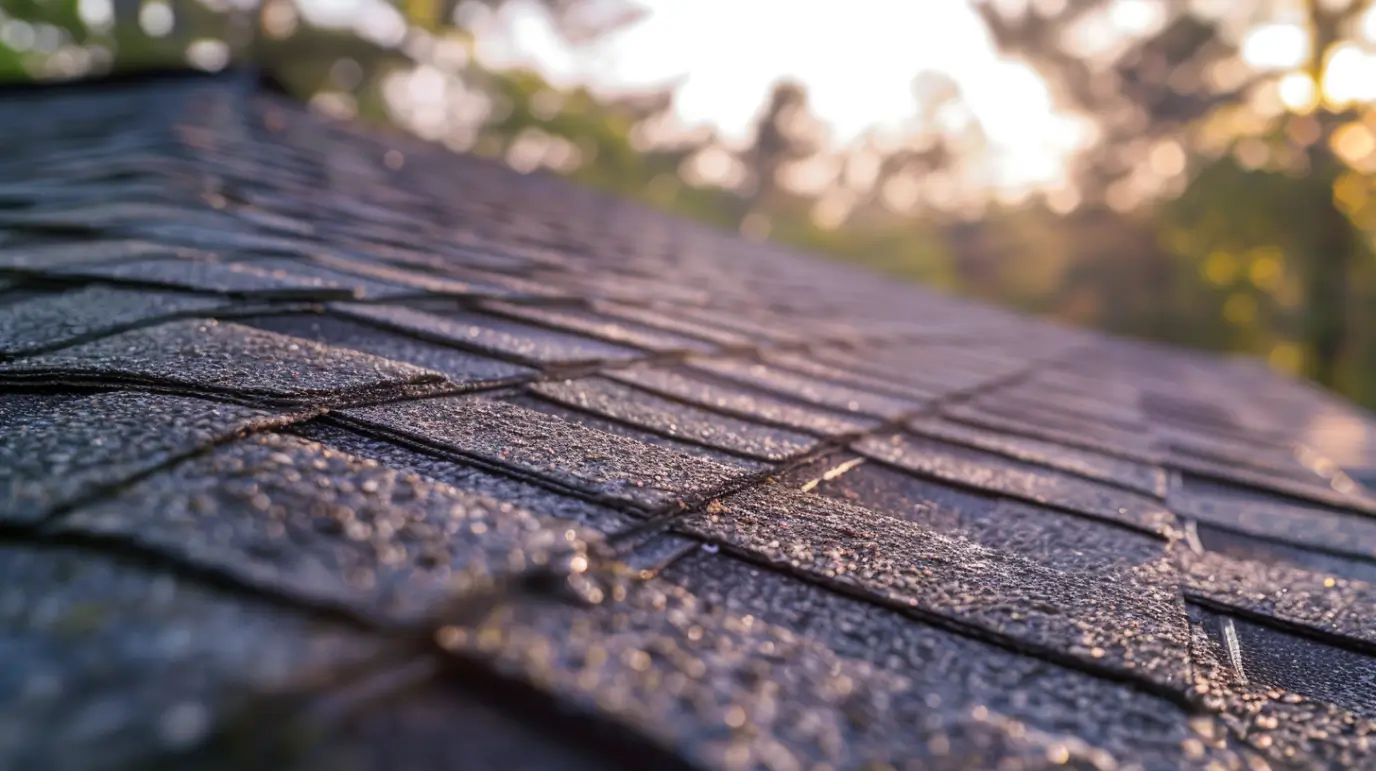
Different roofing materials exhibit varying levels of UV resistance, influencing their lifespan and durability. Asphalt shingles, often chosen for their cost-effectiveness, may suffer from granule loss and brittleness over time due to excessive sun exposure. In contrast, metal roofing boasts superior UV resistance, reflecting sunlight and minimizing heat absorption. Tile and synthetic roofs also provide durability against UV damage, making them ideal for homeowners seeking longevity. Understanding these variations allows for informed decisions, enhancing the integrity of your roof.
Asphalt Shingles vs. Metal, Tile, and Synthetic Roofs
Comparing asphalt shingles and alternative materials reveals significant differences in UV resistance and durability. Asphalt shingles often suffer from granule loss and brittleness, leading to a decrease in temperature tolerance and an accelerated aging process. In contrast, metal, tile, and synthetic roofs typically exhibit stronger UV resistance, minimizing the impact of sun exposure. This enhanced durability contributes to longer lifespans and reduced costs for regular maintenance. Homeowners should consider these factors when selecting roofing materials to maximize roof longevity and roofing services investment.
Why Some Roofing Materials Age Faster Than Others
The aging process of roofing materials is significantly influenced by their composition and resistance to UV radiation. Asphalt shingles, for instance, are prone to granule loss and brittleness, leading to premature aging when exposed to intense sunlight. Conversely, metal roofs often exhibit greater UV resistance due to their reflective coatings, minimizing heat absorption. Environmental factors, such as temperature fluctuations and extreme weather conditions, further exacerbate deterioration, underscoring the importance of selecting roofing materials suited for long-term durability.
Minimizing and Preventing UV Damage
A proactive approach helps protect your roof from uv damage. You should do regular inspections. This can spot minor issues before they turn into costly repairs. Use reflective coatings to increase uv resistance and block sun exposure. These coatings also make your home better for energy efficiency. Pick roofing materials that have strong uv protection. Make sure there is proper ventilation, too. This helps with roof longevity. When you hire a roofing contractor to do routine maintenance, it keeps the integrity of your roof strong over time.
Best Practices for Homeowners
Taking a proactive approach to roof maintenance can greatly enhance the lifespan of your roofing materials. Regular inspections from a qualified roofing contractor are essential; they can identify minor issues before they escalate into costly repairs. Utilizing protective coatings not only improves UV resistance but also provides an extra layer of defense against environmental factors. Moreover, proper ventilation is crucial in managing temperature fluctuations, ensuring the integrity of your roof is maintained throughout the varying weather conditions in Moline.
Upgrades, Protective Coatings, and Professional Maintenance
Investing in upgrades and protective coatings can significantly enhance the durability of roofing materials against UV exposure. Options like reflective coatings serve to reduce heat absorption, ultimately improving energy efficiency and extending the roof’s lifespan. Regular roof maintenance, including routine inspections by a certified roofing contractor, ensures potential issues like granule loss or brittleness are identified early. By taking a proactive approach with these strategies, homeowners can mitigate costly repairs, safeguarding the integrity of their roofs for the long run.
Trust the Experts
Understanding the effects of UV exposure on roofing is crucial for homeowners aiming to prolong their roof’s lifespan. Proactive measures, such as regular maintenance and professional inspections, can significantly mitigate the impact of UV radiation, preserving its structural integrity. Incorporating protective coatings can enhance UV resistance, reducing the likelihood of premature aging and costly repairs. By being vigilant and addressing minor issues promptly, property owners can maintain the curb appeal of their roofs while ensuring energy efficiency and durability against environmental factors.
Frequently Asked Questions
What steps can I take each summer to protect my roof from UV aging?
To protect your roof from UV aging during summer, regularly inspect for damage, clean gutters, trim overhanging branches, and apply UV protective coatings. Additionally, consider professional maintenance to ensure optimal performance and longevity of your roofing materials.
Do roofs get lighter or darker over time?
Roofs typically get lighter over time due to UV exposure, which causes fading in materials like asphalt shingles. Conversely, some materials may darken from pollutants or algae growth. The extent of color change largely depends on the roofing material and environmental factors.
Read our blog: Ballasted vs Mechanically Attached Roof Systems